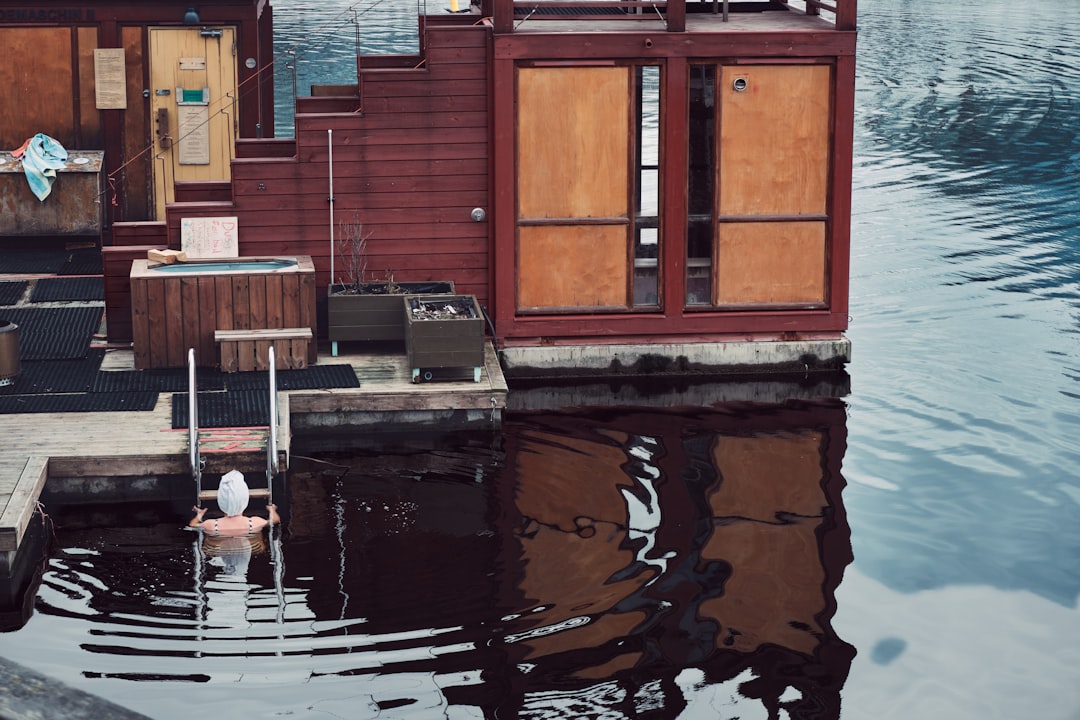
The practice of deliberate heat and cold exposure has evolved from an ancient communal ritual into a dominant cornerstone of modern performance optimization and wellness culture. Look at elite athletes like LeBron James maintaining peak physical condition, or high-profile figures like Joe Rogan and Dr. Andrew Huberman showcasing their routines, and you will see contrast therapy positioned at the center of their longevity strategies. This massive cultural shift toward cold water therapy is driven by a desire for complete control over mental resilience and physical recovery, proving that deliberate discomfort can yield profound biological rewards. Understanding the physiological mechanics of these practices allows individuals to transform a trendy biohack into a structured, highly effective daily protocol. This guide breaks down the biological advantages of deliberate temperature exposure and evaluates the best equipment configurations to achieve professional-grade results directly at home.
Combining contrast therapy involves alternating between extreme heat and cold stress, which forces the body to rapidly adapt to opposing environments. When your body transitions from the intense heat of a sauna to the freezing water of an ice bath, it initiates a sequence of specific physiological adaptations that speed up tissue repair, reset the nervous system, and sharpen mental focus.
The physical transition between extreme temperature environments behaves like a powerful mechanical pump for your entire circulatory system. The intense heat of a sauna induces profound vasodilation, which widens blood vessels and draws oxygen-rich, nutrient-dense blood directly to fatigued muscle tissues. Submerging into cold plunge tanks immediately triggers a powerful counter-response known as vasoconstriction, narrowing peripheral blood vessels and driving blood back toward your vital core organs. This rapid alternating action flushes out stagnant metabolic waste products, including accumulated lactic acid, while simultaneously delivering a fresh wave of vital nutrients to damaged muscle fibers to accelerate cellular repair.
Cold water therapy serves as a highly effective tool for managing systemic inflammation and mitigating chronic joint discomfort. Dr. Rhonda Patrick and other leading biomedical researchers note that sudden, deliberate cold exposure stimulates the immediate production of norepinephrine, a critical hormone and neurotransmitter. Norepinephrine acts directly as a potent anti-inflammatory agent by actively suppressing pro-inflammatory cytokines that typically flood the body after intense physical exertion. Utilizing recovery tubs on a regular schedule significantly reduces delayed onset muscle soreness (DOMS), decreases swelling, and protects long-term joint health by preventing chronic inflammatory damage.
The psychological impact of cold immersion is rooted in neurochemistry, providing a reliable cognitive lift that rivals traditional wellness interventions. Rigorous clinical research indicates that immersing yourself in water chilled to 50°F (10°C) can elevate plasma dopamine concentrations by up to 250 percent. Unlike the sharp, artificial spikes and sudden crashes associated with chemical stimulants or digital distractions, this cold-induced dopamine release happens gradually and stays elevated for several hours. This sustained biochemical mechanism delivers deep mental clarity, an enhanced mood baseline, and improved stress tolerance that carries over into every aspect of your workday.
Finding the best cold plunge for home gym setups requires balancing your available budget, space constraints, and your long-term willingness to maintain the equipment. The modern marketplace offers three primary categories of setups, each tailored to distinct user preferences and engineering requirements.
Often built with durable, high-density drop-stitch materials similar to premium stand-up paddleboards, these inflatable units serve as an excellent entry-level option for newcomers. They are incredibly easy to deflate, pack away, and transport, making them perfect for individuals with limited backyard space or those who rent their homes. However, because they rely entirely on manual ice additions to drop the temperature, they require a continuous financial and physical investment in ice unless they are eventually paired with a compatible, external water chiller for cold plunge systems.
These setups represent the absolute gold standard for both dedicated home setups and high-traffic commercial cold plunge applications. They seamlessly combine a heavy-duty, heavily insulated acrylic or stainless steel tub with an integrated mechanical cooling unit designed to keep water constantly chilled to your precise target temperature. This advanced design completely removes the logistical headache of buying, hauling, or freezing massive blocks of ice, providing a true turnkey solution that ensures your water is perfectly cold and ready the exact moment you step out of the sauna.
A popular route for hands-on individuals looking to save money is converting a standard appliance into a makeshift ice bath at home. While highly cost-effective upfront, this custom configuration carries distinct challenges that require careful consideration before taking the weekend project on.
Pros: Significantly lower initial setup cost compared to commercial units; large interior volume accommodates taller users; excellent built-in insulation reduces daily energy consumption.
Cons: Requires extensive manual water sealing with specialized pond liners or marine-grade epoxy; demands strict routine chemical tracking to prevent bacterial growth; presents serious electrical safety risks if the entire unit is not completely unplugged from the wall outlet before stepping inside.
When comparing various systems on the market, you must look beyond sleek aesthetics and carefully evaluate these four core engineering elements to ensure performance longevity:
Temperature Range: A premium mechanical chiller should easily pull water temperatures down to a crisp 37°F (3°C) and hold it steady, even when ambient room temperatures rise inside a hot garage or during peak summer months.
Filtration System: Look for configurations that combine a physical 20-micron sediment filter with an active sanitation module. Built-in ozone disinfection or UV sterilization is absolutely essential to continuously destroy bacteria, skin cells, and organic matter without relying heavily on harsh chemical additives that can irritate the skin.
Insulation Quality: Thick, high-density polyurethane insulation panels or multi-layered drop-stitch walls minimize ambient heat exchange with the surrounding room, drastically reducing your chiller's daily energy consumption and mechanical wear.
Physical Footprint: Ensure the inner tank dimensions allow you to submerge completely up to your shoulders without compressing your spine, while verifying that the exterior footprint and water weight fit within the load-bearing capacity of your dedicated floor space.
Maintaining crystal-clear, hygienic water requires a foundational understanding of how different system types operate on a daily basis. The table below outlines the major functional and operational differences between automated filtration configurations and basic manual setups.
Feature Chiller-Integrated System Manual Ice / Portable TankTemperature ConsistencyCompletely automated; maintains an exact pre-set temperature point indefinitely regardless of external weather.Spikes quickly during a session; relies entirely on the precise volume and weight of the ice added beforehand.Water LongevityLasts anywhere from 3 to 6 months before needing a refresh, thanks to continuous mechanical filtration loops.Needs replacing every 3 to 7 days to stay hygienic, as standing water quickly becomes a breeding ground for bacteria.Upfront CostRepresents a moderate to high initial financial investment for premium components and integrated housing.Features a very low entry cost, making it highly accessible for testing the waters of cold therapy.Operational EffortExtremely low; requires only periodic filter rinses and seasonal water changes to maintain peak performance.Quite high; demands continuous ice hauling, block freezing, and manual skimming before every single session.Sanitation EquipmentShips with built-in Ozone or UV sterilization modules that constantly purify the water column automatically.Requires manual chemical dosing, testing strips, and frequent water draining to maintain basic safety standards.
Approaching your first cold immersion experience requires a controlled, deliberate strategy designed to manage the body's natural acute shock response safely and effectively.
1.Prepare the Environment:Target: 50°F - 55°F.
Set your water temperature carefully between 50°F and 55°F (10°C to 13°C). This specific thermal range provides a strong enough adaptive stimulus to trigger dopamine release and vascular pumping for beginners, without causing excessive physical stress or triggering a dangerous panic response.
2.Control Your Breathing:Duration: 1 Minute Before Entry.
Engage in slow, controlled diaphragmatic breathing for at least sixty seconds before stepping into the tub. Focus entirely on extending your exhalations to calm your autonomic nervous system, which lowers your baseline heart rate and prepares your mind to handle the upcoming thermal shock.
3.Enter Smoothly:Duration: 30 Seconds.
Step into the tub with a firm, deliberate movement and submerge yourself up to your clavicle without hesitation. Avoid holding your breath or gasping sharply when the cold hits your skin; consciously meet the intense initial cold shock with slow, deep, and steady exhalations to maintain neurological control.
4.Settle and Observe:Duration: 2 - 3 Minutes Max.
Keep your hands resting gently on your thighs or tucked directly into your armpits to shield your sensitive extremities from the worst of the cold. Remain completely still within the tub, which allows a thin thermal layer of slightly warmer water to form naturally against your skin, and limit your first few sessions to a maximum of two or three minutes.
5.Exit Safely:Duration: Post-Plunge Recovery.
Step out of the water carefully, keeping in mind that your physical coordination and foot sensitivity may be temporarily reduced due to the cold blood pooling. Wrap yourself in a warm towel or change into dry clothes immediately, allowing your body to warm back up naturally through movement rather than relying on a hot shower.
Building out a dedicated home system requires a serious investment of time, money, and floor space, but the long-term returns on your physical and mental health are undeniable. Shifting your body out of its comfort zone on a daily basis builds deep, unbreakable mental fortitude, decreases muscle recovery times from intense training, and provides a clean, sustained energy lift that lasts all day long. By choosing a configuration that matches your lifestyle and following safe entry protocols, you gain access to a reliable, life-changing wellness tool right inside your own home.